Special Anniversary Offer + 1-17 Days FREE Worldwide Shipping +365 Days Full Refund Guarantee:
$399.00
Cannot find the item you need?
There are many items not been posted yet. Please describe your desired item in the following form or email us at service@china-cart.com. Our local specialists around the world will reply you within 12 hours.
Every garment in our collection is handcrafted by skilled artisans using premium materials including silk, brocade, satin, and cotton. We work directly with traditional workshops across China — from Suzhou's silk artisans to Guangdong's lion dance craftsmen — ensuring authenticity and quality in every stitch. Our free custom sizing service means every customer receives a perfectly fitted garment, whether it's a Ming dynasty hanfu for a cultural festival or a professional dragon dance costume for a competition team. From professional dance troupes performing at international festivals to individuals exploring traditional Asian fashion, we serve a global community of cultural enthusiasts and ship to over 200 countries and territories.
Discover our full range of traditional Asian clothing and cultural items, organized by category for easy browsing.
Frequently Asked Questions About Chinese Traditional Clothing
What is traditional Chinese clothing called?
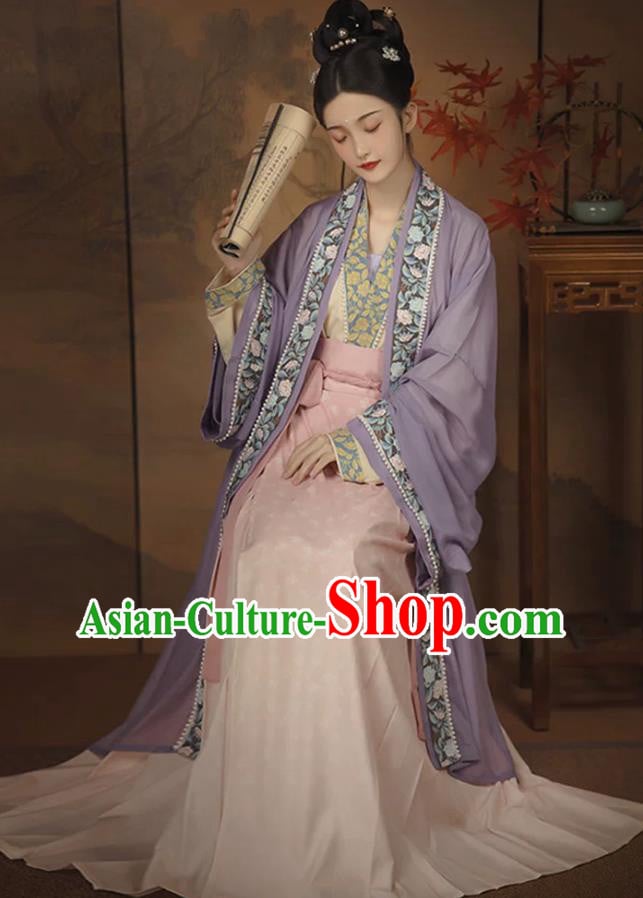
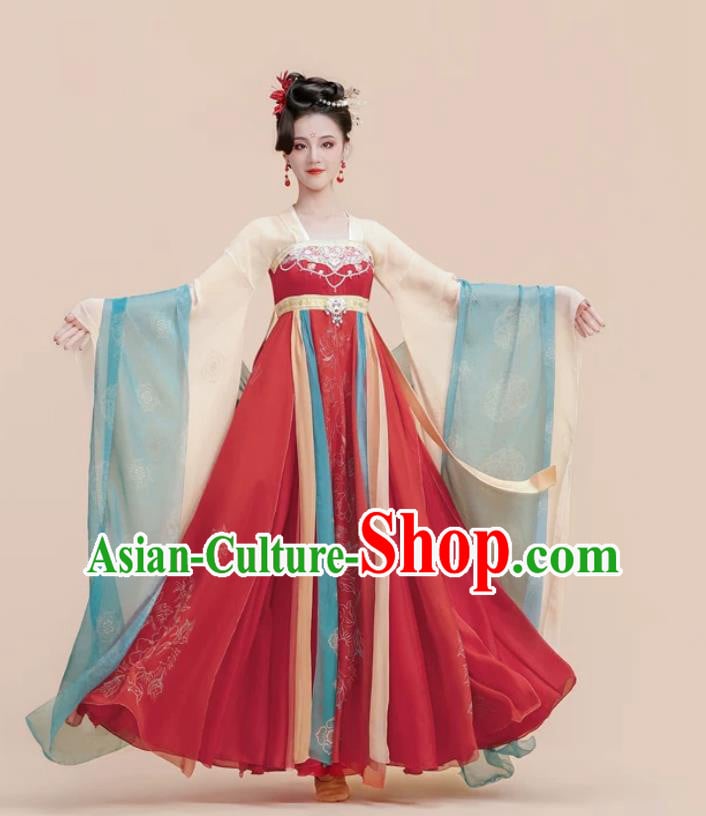
Traditional Chinese clothing is collectively known as "Zhongguo chuantong fuzhuang" (中国传统服装). The most well-known types include hanfu (汉服), qipao/cheongsam (旗袍), tang suit (唐装), and changshan (长衫). Hanfu refers to the historical clothing of the Han Chinese people spanning over 3,000 years, while qipao originated in 1920s Shanghai and became a global symbol of Chinese feminine elegance (Cheongsam - Wikipedia). Each dynasty — from Shang to Qing — developed its own distinctive styles, making Chinese traditional clothing one of the world's richest and most diverse sartorial traditions. At Asian Culture Shop, we carry all major types of traditional Chinese clothing with over 400,000 authentic items. Learn more about hanfu styles →
What is the difference between hanfu and qipao?
Hanfu and qipao are fundamentally different types of Chinese clothing representing different eras and aesthetics. Hanfu is the ancient traditional dress of the Han Chinese people, featuring loose, flowing robes with crossed collars (youren) and wide sleeves, with a history spanning over 3,000 years across multiple dynasties including Tang, Song, and Ming (Hanfu - Wikipedia). Qipao (also known as cheongsam) is a much more recent invention from 1920s Shanghai, featuring a form-fitting silhouette with a high mandarin collar, side slits, and frog button closures. Hanfu emphasizes elegance, comfort, and freedom of movement, while qipao highlights the wearer's figure with its tailored design. Both are iconic symbols of Chinese culture but represent very different fashion philosophies. Explore hanfu through history →
How to choose the right dragon dance costume size?
Dragon dance costume size is determined by the number of performers needed: a 5-meter dragon requires 5 performers (ideal for children), a 9-meter dragon needs 9 performers (great for community and school events), a 12-meter dragon requires 12 performers (standard for professional performances), and an 18-22 meter dragon needs 18-22 performers (used in major competitions and large festivals). The dragon pearl holder adds one additional person (Dragon Dance - Wikipedia). For most occasions, a 9-meter or 12-meter dragon is recommended. Performers should be of similar height for the best visual effect. Asian Culture Shop offers dragons in all sizes with complete accessories included. Full dragon dance sizing guide →
What is a lion dance costume made of?
Traditional lion dance costumes are handcrafted using several key materials. The head is built from a lightweight bamboo frame covered with paper-mâché and decorated with faux fur, sequins, mirrors, and paint. Modern professional versions may use fiberglass or durable plastic for the frame. The body is made from brightly colored silk, satin, or high-quality nylon fabric with fur trim along the edges. A complete lion dance costume consists of the lion head, a long painted cloth body, and a tail section. Southern lion dance (Guangdong origin) features a more colorful, ornate head with large eyes and a movable jaw, while the Northern lion dance uses a more realistic, shaggy appearance (Lion Dance - Wikipedia). Quality costumes from Asian Culture Shop can last for hundreds of performances. Learn about lion dance traditions →
Where to buy authentic Chinese traditional clothing online?
Asian Culture Shop (asian-culture-shop.com) is one of the most established online stores for authentic Chinese traditional clothing, operating since 2003 with over 400,000 items. The shop offers hanfu, qipao, dragon and lion dance costumes, kimonos, wedding dresses, Beijing opera costumes, and more — all sourced directly from skilled artisans in China. Every item is available with free custom sizing, and the store ships to over 200 countries worldwide. With 25+ years of experience, Asian Culture Shop provides detailed size guides, quality guarantees, and responsive customer service to ensure customers receive authentic, well-crafted traditional Asian clothing. Learn more about us →
Do you offer custom sizing for Chinese traditional clothing?
Yes! Asian Culture Shop offers free custom sizing on all traditional Chinese clothing orders. Customers simply provide their specific measurements — height, weight, bust, waist, hips, and shoulder width — and our skilled tailoring team creates each garment for a perfect fit. This service is especially valuable for hanfu, qipao, wedding dresses, and dance costumes where proper fit is essential for both comfort and authentic appearance. Custom sizing does not incur any additional fees and typically adds only 3-5 business days to the production time. View detailed size guide →
What is the difference between kimono and yukata?
Kimono and yukata are both traditional Japanese garments but differ significantly in formality, material, and occasion. A kimono is the formal garment, typically made from silk or premium fabrics, worn with multiple accessories including an obi (wide sash), tabi (split-toe socks), and geta or zōri (wooden sandals). Kimono are worn for formal events such as weddings, tea ceremonies, and important celebrations (Kimono - Wikipedia). A yukata is a casual, lightweight summer version made from cotton or synthetic fabric, traditionally worn at summer festivals, fireworks displays, and after bathing at ryokan (Japanese inns). Yukata are easier to put on, require fewer accessories, and are typically worn with bare feet or simple sandals. Think of the yukata as the kimono's relaxed summer cousin. Full comparison guide →
How long does shipping take for Chinese traditional clothing?
Asian Culture Shop ships worldwide from China with multiple shipping options. Standard international shipping typically takes 10-20 business days depending on the destination country. Express shipping (DHL, FedEx, or UPS) delivers in 3-7 business days. All orders require 3-7 business days for production and tailoring before shipping. Custom-sized items may add an additional 3-5 business days. Every order includes a tracking number for shipment monitoring. The shop ships to over 200 countries and territories. Full shipping details →
What materials are Chinese traditional clothes made of?
Chinese traditional clothing utilizes a rich variety of premium materials. Silk (丝) is the most iconic, prized for over 5,000 years (Chinese Silk - Wikipedia) and used in hanfu, qipao, and ceremonial garments. Brocade (锦缎) features intricate woven patterns and is common in dragon dance costumes and formal wear. Satin (缎) provides a smooth, lustrous finish popular in qipao and wedding dresses. Cotton (棉) is used for everyday hanfu and casual traditional wear. Linen (麻) offers breathability for summer garments. Velvet (天鹅绒) adds richness to formal and theatrical costumes. Each material is carefully chosen for its drape, comfort, and suitability to the garment's purpose. Silk fabric guide →
Can I wear hanfu for everyday occasions?
Absolutely. Modern hanfu has experienced a major revival (known as the hanfu movement or 汉服运动) and is increasingly worn as everyday clothing in China and internationally. Everyday hanfu (日常汉服) is designed with practical features such as shorter sleeves, lighter fabrics like cotton and linen, and simpler construction that makes it comfortable for daily activities. Popular everyday styles include the ruqun (襦裙, skirt-and-shirt), aoqun (袄裙, jacket-and-skirt), and zhishan (直裰, straight robe). Many people wear hanfu to work, school, shopping, and social gatherings. The key is choosing the right style and fabric for the season and occasion. Everyday hanfu styling tips →
How much does a dragon dance costume cost?
Dragon dance costume prices vary based on size, quality, and completeness of the set. A basic 5-meter children's dragon starts around $200-300, while a professional-grade 9-meter dragon with complete accessories (dragon head, body, pole, and performance guide) ranges from $400-800. Competition-level 12-18 meter dragons with premium materials and detailed craftsmanship can cost $800-2,000+. Complete sets typically include the dragon body, performance poles, a dragon pearl, and a carrying bag. Asian Culture Shop offers wholesale pricing on all dragon dance equipment, making it affordable for schools, community groups, and professional troupes alike. Browse dragon dance costumes →
How much does a lion dance costume cost?
Lion dance costume prices depend on quality and style. A basic practice-grade Southern lion head starts around $150-250, while a professional competition-grade head with premium fur, detailed painting, and movable features ranges from $300-600. A complete lion dance costume set (head + body + pants + belt) typically costs $300-1,000. Northern lion dance sets with the shaggy, realistic fur style tend to be slightly more expensive. Wholesale discounts are available for dance schools and performance troupes ordering multiple sets. Browse lion dance costumes →
What size hanfu do I need?
Choosing the right hanfu size depends on the style. Unlike Western clothing, hanfu sizing focuses on height and chest/bust measurements rather than standard S/M/L. For the most accurate fit, provide your height, weight, bust/chest, waist, and hip measurements. Asian Culture Shop offers free custom sizing on all hanfu orders — simply submit your measurements and our tailors will create a perfectly fitted garment. If you prefer standard sizing, most hanfu follows Chinese sizing which tends to run 1-2 sizes smaller than US/European sizes, so we recommend ordering one size up. Full hanfu size guide →
Can you wash silk qipao and hanfu?
Caring for traditional Chinese clothing requires special attention. Silk qipao should be dry cleaned whenever possible — hand washing in cold water with mild silk detergent is acceptable for some garments, but never machine wash or tumble dry. For hanfu, cotton and linen everyday styles can be machine washed on a gentle cycle in cold water, but silk hanfu should be dry cleaned. Always air dry flat and away from direct sunlight to prevent fading and fiber damage. Store silk garments in breathable cotton bags, not plastic. For dance costumes, spot clean the exterior and hand wash the cloth body in cold water. Detailed care guide →
What is a Chinese wedding dress called?
Traditional Chinese wedding dresses come in several styles. The most well-known is the qipao (旗袍), a form-fitting red dress often worn for the tea ceremony. The Xiuhe suit (秀禾服) is a two-piece ensemble (jacket + skirt) with elaborate gold embroidery, increasingly popular for modern Chinese weddings. The Longfeng gown (龙凤褂) features dragon and phoenix embroidery and is traditional for Cantonese weddings. Historically, the traditional red wedding gown (嫁衣) with phoenix crown was worn throughout imperial China. Red is the dominant color as it symbolizes luck and happiness. Asian Culture Shop offers all styles with free custom sizing for your special day. Chinese wedding traditions →
What is Beijing opera costume called?
Beijing opera costumes are called Xingtou (行头) or more broadly Jingju xingtou (京剧行头). These elaborate theatrical costumes are categorized by role type: Sheng (male), Dan (female), Jing (painted face male), and Chou (clown). Each role type has distinctive clothing including water sleeves (shuixiu), armored suits (kao), and elaborate headdresses. The costumes feature vivid colors and intricate embroidery that convey the character's personality, age, and social status. Professional-grade Beijing opera costumes use premium silk and brocade with hand-embroidered patterns. Asian Culture Shop offers a wide selection of authentic Beijing opera costumes for performers and collectors. Beijing opera costume guide →
What do you wear to a Chinese tea ceremony?
For a traditional Chinese tea ceremony, appropriate attire includes a qipao, hanfu, or a tang suit (唐装) for men. The qipao is the most popular choice for women due to its elegant silhouette and cultural significance. Red or gold colored garments are preferred as they symbolize luck and prosperity. Men typically wear a tang suit (also called a Mao suit or Chinese jacket) in dark colors with subtle embroidery. For a more casual tea ceremony, a simple everyday hanfu in natural tones also works beautifully. Asian Culture Shop offers complete tea ceremony outfit sets for both men and women. Shop tea ceremony outfits →
How to measure for custom Chinese clothing?
To get accurate measurements for custom Chinese clothing, you need six key measurements: (1) Height — your total height in cm or inches, (2) Weight — in kg or lbs, (3) Bust/Chest — fullest part of chest, measured with a tape measure around the body, (4) Waist — natural waistline (narrowest point), (5) Hips — fullest part of hips, and (6) Shoulder width — from shoulder seam to shoulder seam. For hanfu, additional measurements like arm length and neck circumference may be helpful. Asian Culture Shop's free custom sizing service uses these measurements to create each garment individually. Always measure over the clothing you intend to wear under the garment. Detailed measurement guide →
What colors are traditional Chinese wedding dresses?
Traditional Chinese wedding dresses are predominantly red, as red symbolizes luck, joy, and prosperity in Chinese culture (红色喜事). The most common shades include bright red (正红), crimson, and burgundy with gold embroidery featuring dragon, phoenix, and peony patterns. In some regions, particularly for second marriages or modern ceremonies, other colors are also popular: gold symbolizes wealth and royalty, pink represents romance, and blue (indigo-dyed) is traditional in some ethnic minority communities. White is traditionally associated with mourning in Chinese culture and is rarely used for wedding attire. More on wedding colors →
Why Choose Asian Culture Shop?
🎨
Handcrafted Quality
Every garment is made by skilled artisans using premium silk, brocade, and satin. No mass-produced factory items.
🔃
25+ Years Experience
Serving customers worldwide since 2003. We know traditional Asian clothing inside and out.
✅
Free Custom Sizing
Provide your measurements and get a perfect fit at no extra charge. Available on all products.
🌎
Ships to 200+ Countries
Standard or express shipping worldwide with full tracking on every order.
💰
Wholesale Prices
Direct from workshops means you get authentic quality at unbeatable wholesale prices.
💬
Expert Customer Service
Our team speaks English and Chinese. Get help with sizing, styling, or orders anytime.
Ready to Find Your Perfect Traditional Outfit?
Browse 400,000+ authentic Chinese & Asian cultural clothing items with free custom sizing
Absolutely stunning hanfu! The fabric quality exceeded my expectations. The custom sizing was perfect — it fit like it was made for me. Shipping was faster than expected too. Will definitely order again.
Tang Dynasty Hanfu — Ruqun Style
★★★★★
James L. | Verified Purchase | United Kingdom
We ordered a 9-meter dragon dance costume for our school's Chinese New Year celebration. Incredible craftsmanship — vibrant colors, durable materials, lightweight yet sturdy bamboo frame. The students loved it!
9-Meter Dragon Dance Costume — Complete Set
★★★★☆
Yuki T. | Verified Purchase | Japan
Beautiful kimono with authentic patterns. The silk fabric feels luxurious. Only reason for 4 stars instead of 5 is delivery took a bit longer than estimated, but the product itself is flawless.
Japanese Silk Kimono — Cherry Blossom Pattern
★★★★★
Maria G. | Verified Purchase | Canada
I bought a traditional Chinese wedding qipao for my tea ceremony and it was absolutely gorgeous. The embroidery work is meticulous. Customer service was very helpful with sizing questions.
Chinese Wedding Qipao — Red Embroidered
★★★★★
David W. | Verified Purchase | Australia
Our lion dance troupe has been buying from Asian Culture Shop for 3 years now. The lion dance heads are professionally crafted and hold up to hundreds of performances. Best value for quality online.
Southern Lion Dance Costume — Competition Grade
★★★★★
Lisa Chen | Verified Purchase | Singapore
The kung fu uniforms are excellent for training — breathable, comfortable, and very durable even after months of daily use. Great quality at a reasonable price. Highly recommend for martial arts schools.